
Clayton Wiley

Embedded Systems Engineer

Automation · Real-Time Control · Distributed Systems

Automated Theater Follow Spot

Raspberry Pi + infrared beacon tracking for autonomous DMX spotlight control

PythonCOpenCVRaspberry PiDMX512Computer VisionReal-TimeEmbedded SystemsHardware Design

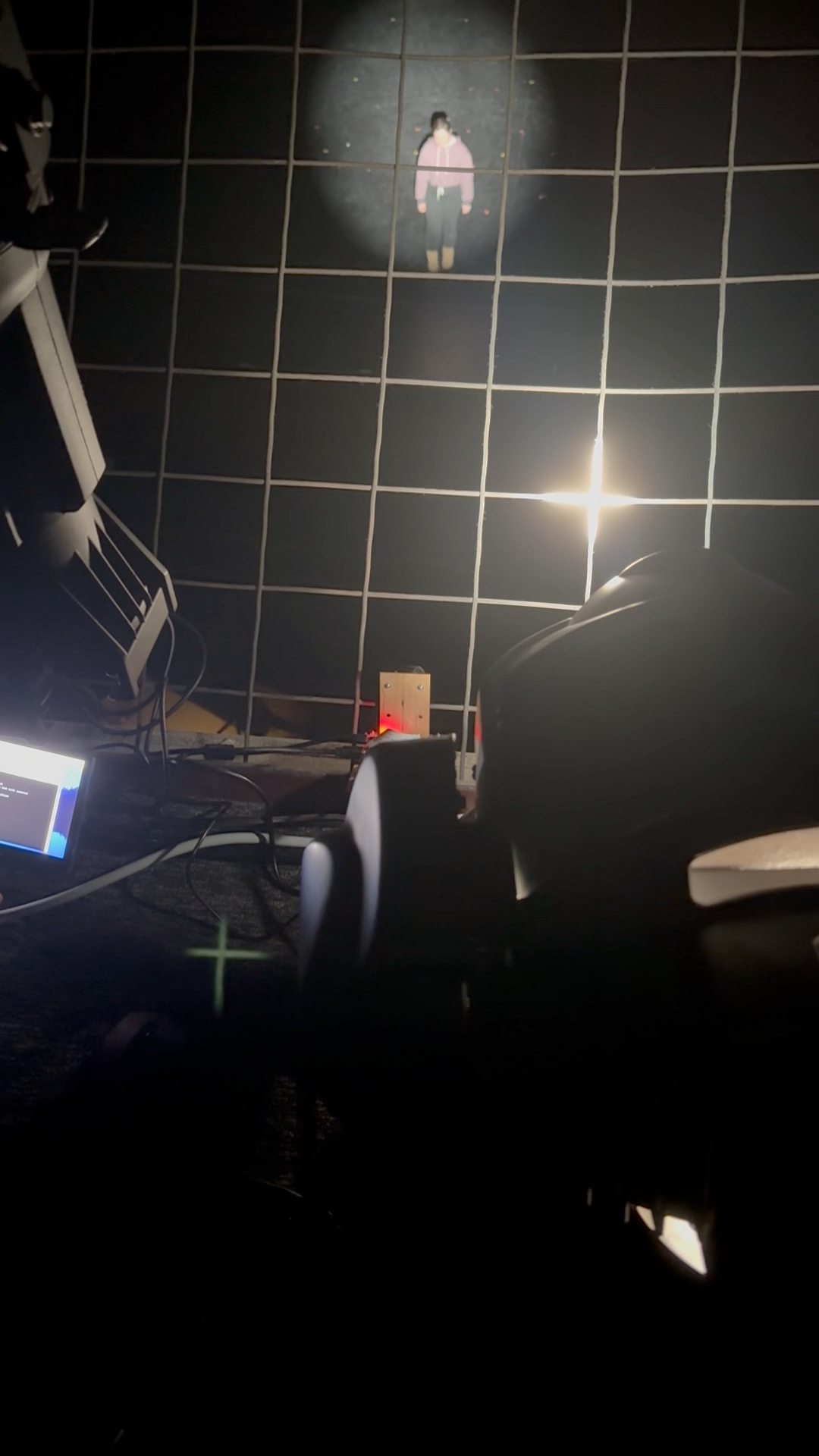
Automated follow spotlights are a solved problem... if you have tens of thousands of dollars to spend on a BlackTrax system, Robe RoboSpot, or any of the other proprietary industry leaders. My senior thesis tackled the same usecase with a Raspberry Pi, a $125 DMX interface, and some infrared LEDs soldered to a battery pack.

The system sits inline on a DMX512 universe between the lightboard and the moving light, behaving as a passive repeater until tracking is engaged. Once activated, it overwrites only the pan/tilt position channels while passing everything else — color, intensity, focus — through untouched. Any theater company that already owns a moving light can drop this module into their existing rig without touching their lightboard or buying fixture-specific hardware. Estimated reproduction cost: ~$130.
ModuLit

PoE-powered modular LED lighting system to replace traditional string lights

Embedded SystemsPower over EthernetLED ControlSTM32Hardware DesignProduct DevelopmentStartup

Lighting a single tree in Monterey costs up to $6,000 in materials and labor. We heard that directly from Thys Norton at the City of Monterey — and it was one of a dozen conversations with Parks & Rec departments, commercial installers, and church AV integrators that confirmed the same thing: traditional string lights are a universal pain point that nobody has adequately solved.

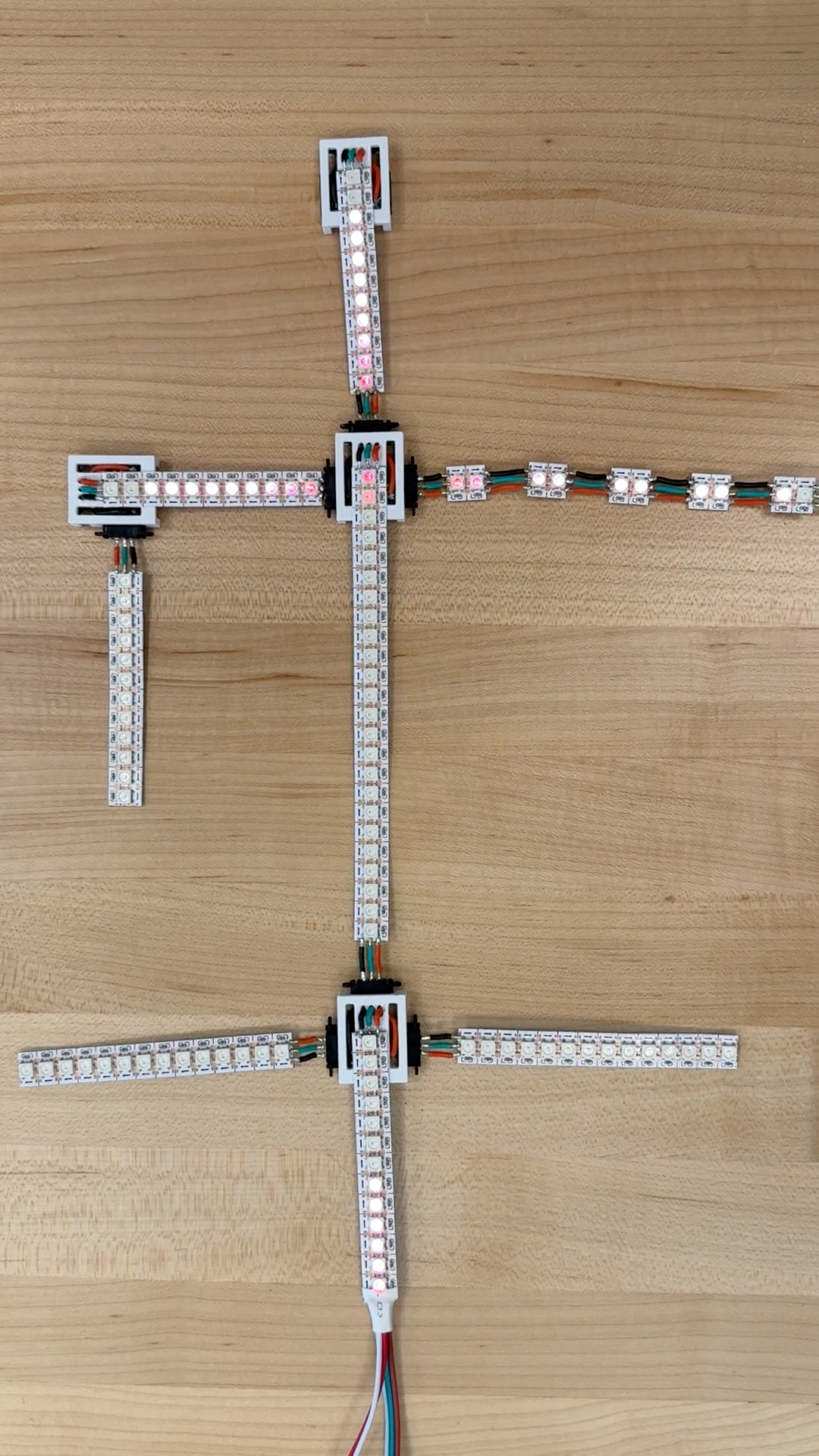
ModuLit replaces the monolithic string with short, individually addressable LED modules that connect through a common interface. Snap them end-to-end for a classic string, branch them for icicle or mesh displays, or build fully custom layouts. A single PoE-powered host controller manages the entire installation — one plug, one point of control, no high-voltage runs across your yard. We built and pitched this as a funded startup venture, completing working prototypes and validating demand across consumer, municipal, and commercial segments before seeking $500K in seed funding.

LabLink

Distributed wireless queue management system for SCU teaching labs

FreeRTOSSTM32Bluetooth LEWiFiEmbedded CRTOSPCB DesignDistributed Systems

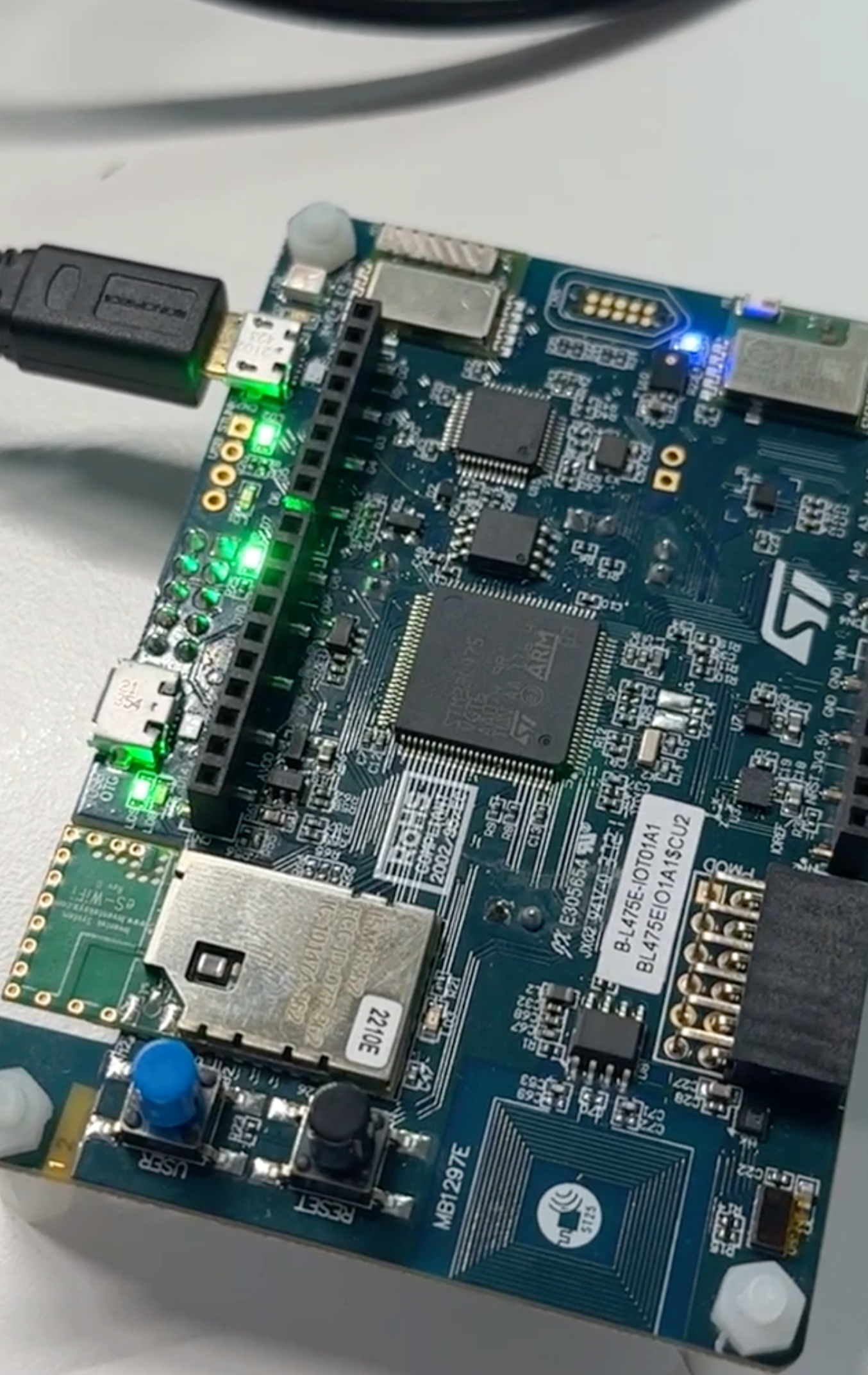
LabLink is a distributed embedded queue management system built on FreeRTOS and wireless mesh communication. Each node in the network is symmetric — any device can elect itself host or assume a peripheral role at startup, with no user configuration required. Nodes coordinate state in real time over a shared wireless channel, with physical LED feedback at each station reflecting live queue position across the whole network.

The immediate problem we designed for was SCU's ECEN teaching labs: up to 20 student groups per session, one TA, and no good way to manage who needs help and in what order. A button press enters a group into the FIFO queue; the TA works through stations in order with a single-click dismiss. But the underlying architecture (self-organizing wireless nodes, a centrally managed queue with distributed status feedback, plug-and-play deployment) applies anywhere a fair, ordered call system is needed without permanent infrastructure. The system is agnostic to its environment by design.